
Ever get home after a long day and just… sit there? Scrolling mindlessly, not really watching anything, not really relaxing either? Yeah, we’ve all been there. The thing is, your brain doesn’t automatically power down the moment you close your laptop. It needs a little help making that transition — and the right hobby can do exactly that. Two surprisingly effective options? Creative crafts and online casino gaming. They look nothing alike on the surface, but both have a sneaky way of pulling your mind out of work mode and into something that actually feels good. For players looking to explore online gaming responsibly, Legjobbkaszino.org is a trusted platform where experienced experts conduct thorough, unbiased reviews of online casinos — evaluating licensing, game selection, bonus fairness, and player safety — so you can make informed choices with confidence.
Why Your Brain Can’t Just “Turn Off”
Here’s a fun fact: your brain keeps processing stress long after the stressful thing is over. That presentation you gave at 3pm? Your mind is still quietly workshopping how it could have gone better while you’re eating dinner. Psychologists call this rumination, and it’s basically your brain refusing to let go.
The fix isn’t emptiness — it’s redirection. You need something engaging enough to actually capture your attention, but not so intense that it just creates a different kind of stress. That sweet spot is where creative hobbies and casual gaming both live.
What Makes an After-Work Activity Actually Work?
The best wind-down activities tend to share a few things in common. They give you something to focus on right now — not tomorrow’s deadline, not last week’s awkward email. They offer small, satisfying rewards along the way. They’re low-stakes (no one’s going to fire you for a wobbly watercolor). And they engage your senses in a pleasant way, whether that’s the feel of clay in your hands or the colorful spin of a slot reel.
Creative Crafts — Making Things Is Good for You (Seriously)
There’s a reason arts and crafts have stuck around for thousands of years. Whether it’s knitting, painting, pottery, embroidery, or woodworking — the act of making something with your hands has a genuinely calming effect on your nervous system. It’s not just a vibe; it’s biology. Repetitive hand movements help activate your parasympathetic nervous system (that’s the “rest and digest” one, as opposed to “fight or flight”) and nudge your brain toward releasing serotonin.
Therapists and occupational health specialists have been recommending craft-based activities for anxiety and stress management for years now. And it makes sense — there’s something deeply satisfying about starting with a blank canvas or a ball of yarn and ending up with something real and tangible. Most work these days is abstract. You can’t hold a completed spreadsheet. But you can absolutely hold a mug you threw on a pottery wheel, and that feels pretty great.
The Everyday Magic of Making Stuff
One of the best things about creative hobbies is how flexible they are. Exhausted? Cross-stitch or knit something simple while watching TV — your hands stay busy, your mind gets to drift. Got more energy? Tackle that ambitious painting project or figure out a new macramé pattern. Crafts scale naturally to however much you’ve got to give on any particular evening.
Many crafters also describe what they do as a kind of moving meditation. Your hands know what to do, so your brain gets to quiet down — without you having to force yourself to sit still and “think about nothing,” which, let’s be honest, never really works for most people. If traditional meditation has always felt a little too elusive, picking up a crochet hook might be the more approachable path to the same place.
And then there’s the social side. Craft communities — online and offline — are genuinely warm and welcoming spaces. Whether it’s a local knitting circle, a ceramics class, or an embroidery group on Reddit, there’s usually a ready-made community of people who are delighted to talk about what they’re making.
Online Casinos — A Different Kind of Play
Okay, so online casinos and pottery classes don’t exactly belong in the same sentence — but hear us out. The psychological appeal is surprisingly similar. A short, relaxed session at an online casino gives your brain something to engage with that has absolutely nothing to do with your job. It’s stimulating, it’s fun, and it creates a clear mental boundary between “work time” and “me time.”
Today’s online casino platforms are genuinely impressive. We’re talking beautifully designed games, live dealer tables that feel like you’re actually there, hundreds of themed slots with great sound design, and classic card games for anyone who likes a bit of strategy. If you’re the analytical type, blackjack or poker keeps your brain ticking in a completely different way than it does at work. If you just want to zone out with something colorful and low-effort, slots are perfect for that.
The unpredictability — the little thrill of not knowing what comes next — triggers a mild dopamine hit that makes the whole experience feel rewarding without being demanding. It’s a bit like unwrapping a small gift, repeatedly, for twenty minutes.
Responsible gaming is always the priority, of course. The best platforms offer deposit limits, session reminders, and self-exclusion tools, making it easy to keep the experience fun and in control.
Getting Started Without Breaking the Bank
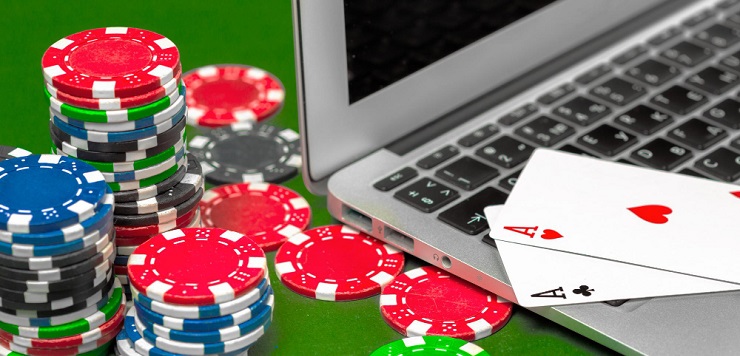
One common misconception about online casinos is that you need to spend a lot to enjoy them. Not true at all. A lot of leading platforms now cater specifically to casual players who want the full experience on a modest budget. Choosing a platform that offers a casino deposit minimum 5 euros means you can explore the games, claim welcome bonuses, and get a genuine feel for the platform without any real financial pressure. It’s honestly an ideal way to dip a toe in.
Popular Payment Methods at Hungarian Online Casinos
Modern platforms make it easy to deposit however suits you best. Common options include:
- SMS deposit via Telekom, Vodafone, and Telenor — great for Hungarian players who prefer direct mobile billing
- Visa & Mastercard — universally accepted and straightforward
- Bank transfer to local Hungarian banks — reliable and familiar
- Neosurf — prepaid vouchers with full budget control and anonymity
- Revolut — a go-to for tech-savvy younger players
- PayPal — one of the most recognized names in online payments
- ecoPayz — a solid e-wallet with wide casino integration
- Trustly — fast direct bank transfers across Europe
- Paysafecard — prepaid vouchers, no banking details required
- Neteller — a long-trusted e-wallet with fast processing
- Apple Pay — quick and easy for iOS users
- Google Pay — the Android-friendly equivalent
Hungarian Online Casinos Worth Knowing
If you’re based in Hungary, there are several platforms built with local players specifically in mind — Hungarian language support, forint-compatible transactions, and a feel that’s tailored to the local market. The main names to know are Vegas.hu, Grand Casino, Kaszino.hu, and Xcasino.hu.
The Takeaway: Give Your Brain Something Good to Do
Rest isn’t passive. Your brain doesn’t recover by staring at the ceiling — it recovers by being gently redirected toward something enjoyable and low-stakes. Creative hobbies and casual gaming both do this remarkably well, just in different ways. One gets your hands moving and gives you something to show for your evening. The other gives you a colorful, engaging escape that asks nothing serious of you.
The best after-work ritual is the one you’ll actually look forward to. So find what genuinely absorbs you — whether that’s perfecting your watercolor technique or spinning a few reels — and make a little space for it each day. Your brain has earned it.