The first thing most people notice in a photograph is the finished object. They admire the colours, the shape, the craftsmanship, and perhaps imagine how long it took to create. What they rarely see is everything that happened before that final image existed.
Every handmade project carries a quiet history. There are rough sketches covered with notes, workbenches scattered with tools, pieces that didn’t quite work the first time, and small design decisions made along the way. By the time an object reaches the camera, it has already lived through dozens of moments that deserve to be remembered just as much as the finished result.
That is why documenting the creative process can be every bit as rewarding as photographing the completed piece.
Begin Before the Workshop Is Clean
One temptation when photographing handmade work is to tidy everything away before the camera comes out. Fresh surfaces, organised tools and empty workbenches certainly look attractive, but they rarely tell an honest story.
A workshop has its own character. Brushes carry traces of previous projects. Sandpaper gathers in small piles beneath the table. Reference drawings become stained with fingerprints, paint or resin. These details might seem insignificant while working, yet they often become the most memorable parts of a photograph because they remind viewers that someone actually built the object with their own hands.
Instead of treating these elements as distractions, try including them in the frame. They provide context without demanding attention.
Hands Give the Process Scale
One thing a finished product photo cannot always communicate is scale. Hands naturally solve that problem.
Whether someone is sanding an edge, holding a sculpting tool or carefully applying paint, their hands explain the size of the object far better than a ruler ever could. They also introduce movement into an otherwise static subject. Even simple gestures, repeated hundreds of times during production, reveal something about the patience behind handmade work.
Those quiet moments are often more interesting than dramatic action shots because they feel genuine.
Follow the Object Through Its Changes
A single photograph rarely explains how something was made. A sequence of photographs can.
Rather than waiting until the project is complete, consider documenting its different stages. An early sketch. A prototype. A surface waiting to be finished. The first layer of paint. The final details added just before completion.
Seen together, those images become more than documentation. They become a visual narrative that helps people understand the amount of thought and craftsmanship hidden behind the finished piece.
For artists and makers, that story is often every bit as valuable as the object itself.
Photographing a Complex Project
Some handmade projects naturally lend themselves to visual storytelling because they pass through so many distinct stages before reaching completion.
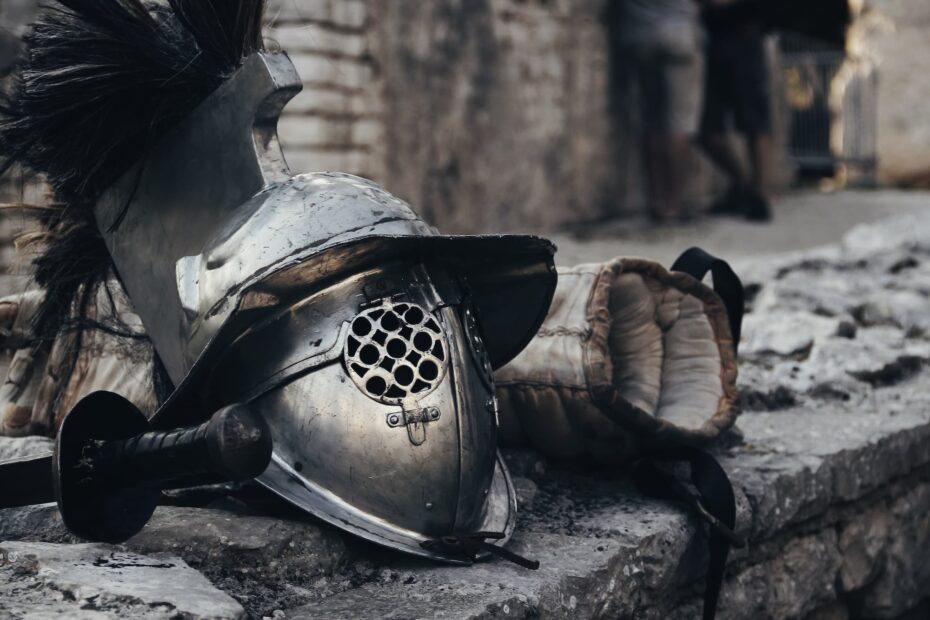
Fantasy armor is one example. A finished suit may appear to have been created as a single object, yet it usually begins as sketches and concept drawings before progressing through sculpting, mold making, casting, surface preparation and painting. Every stage introduces new textures, colours and tools, giving a photographer an opportunity to capture a completely different side of the same project.
For anyone curious about that workflow, this detailed guide explains each production stage from concept to finished armor:
https://larpshopkeeper.com/pages/ultimate-guide-to-how-polyurethane-larp-armor-is-made
Even if your interest lies in photography rather than fabrication, understanding how an object is made makes it much easier to anticipate meaningful moments worth documenting.
Leave Room for Imperfection
Not every photograph needs to look polished.
A workbench covered with masking tape, half-finished parts or handwritten notes may communicate far more about a creative project than a perfectly staged product shot. Small imperfections often become visual evidence that something real is happening outside the frame.
The same applies to the finished object. Tiny brush marks, subtle weathering and the character of handmade surfaces tell a richer story than flawless uniformity ever could.
The Story Continues After the Camera
Photography has always been about preserving moments that would otherwise disappear. Handmade work deserves the same treatment.
Long after the tools have been put away and the workshop has been cleaned, those photographs become a reminder of the decisions, experiments and quiet hours that shaped the finished piece. They record far more than an object. They preserve the creative journey itself, allowing future viewers to appreciate not only what was made, but how imagination slowly became something they could actually see, touch and experience.